
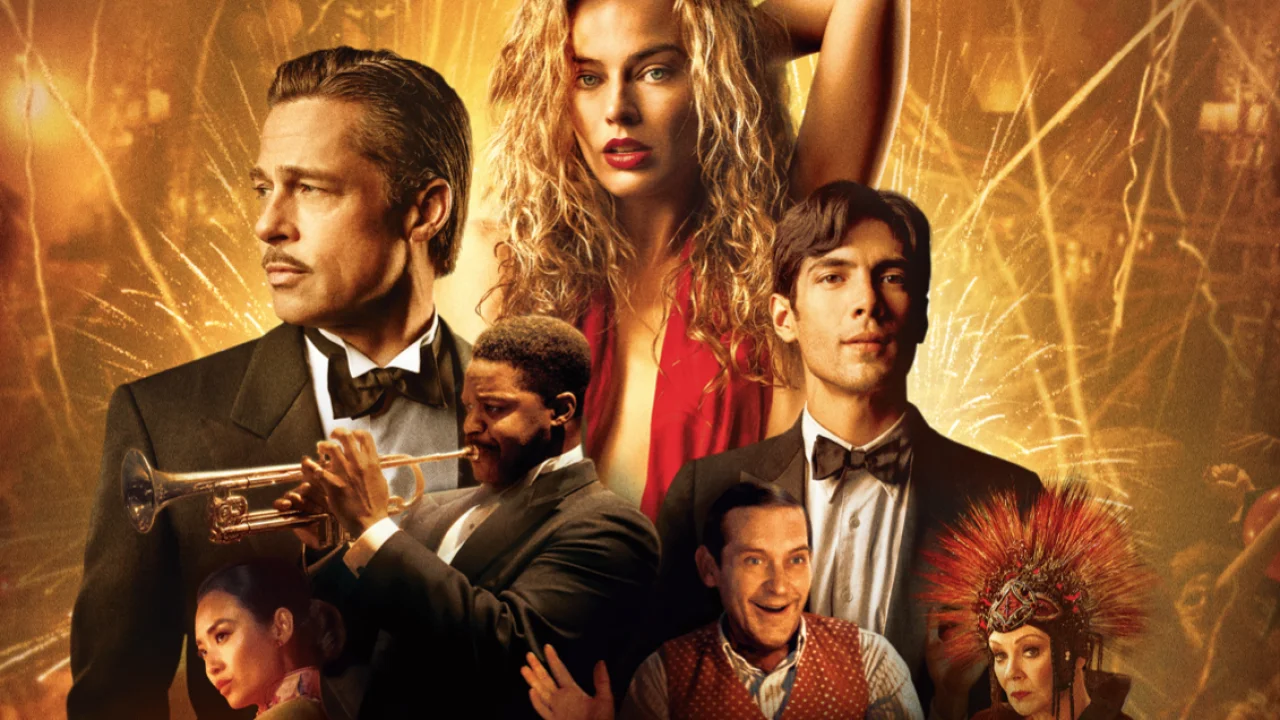
When Damien Chazelle’s Babylon arrived in theaters almost four years ago, debuting December 23, 2022, it was supposed to be one of Hollywood’s big cinematic events.
With Margot Robbie, Brad Pitt, and Diego Calva leading an outrageous, anything-goes portrait of the movie industry’s transition from silent films to talkies, Chazelle delivered a three-hour Hollywood fever dream that practically dared audiences to keep up.
Unfortunately, the box office wasn’t nearly as impressed. The movie became one of the more notorious commercial disappointments of the year, leaving a lot of people wondering what exactly Chazelle was trying to accomplish.
Nearly four years later, the conversation surrounding Babylon has taken a fascinating turn. What was once dismissed by some moviegoers as an excessive, self-indulgent Hollywood spectacle has developed a devoted following, with audiences returning to its sprawling madness and finding something worth obsessing over.
From its outrageous party sequences and unforgettable performances to its increasingly emotional look at the people who built an industry that eventually left them behind, Babylon has found an audience that appreciates just how much of a swing Chazelle took.
There’s a reason the movie keeps finding its way back into online conversations. Some viewers are fascinated by its chaotic Hollywood history. Others have embraced its characters and performances.
Plenty simply can’t get enough of a movie that seems determined to go completely off the rails. Whatever initially kept audiences away, Babylon has become the kind of movie people want to revisit and argue about long after the credits roll.
Audiences Are Finally Embracing Babylon
One of the biggest reasons Babylon has developed such a devoted following is the growing belief that the movie was misunderstood when it first arrived in theaters. What some critics and audiences dismissed as an overstuffed, chaotic mess is now being embraced as an audacious piece of filmmaking that deserved a much warmer reception.
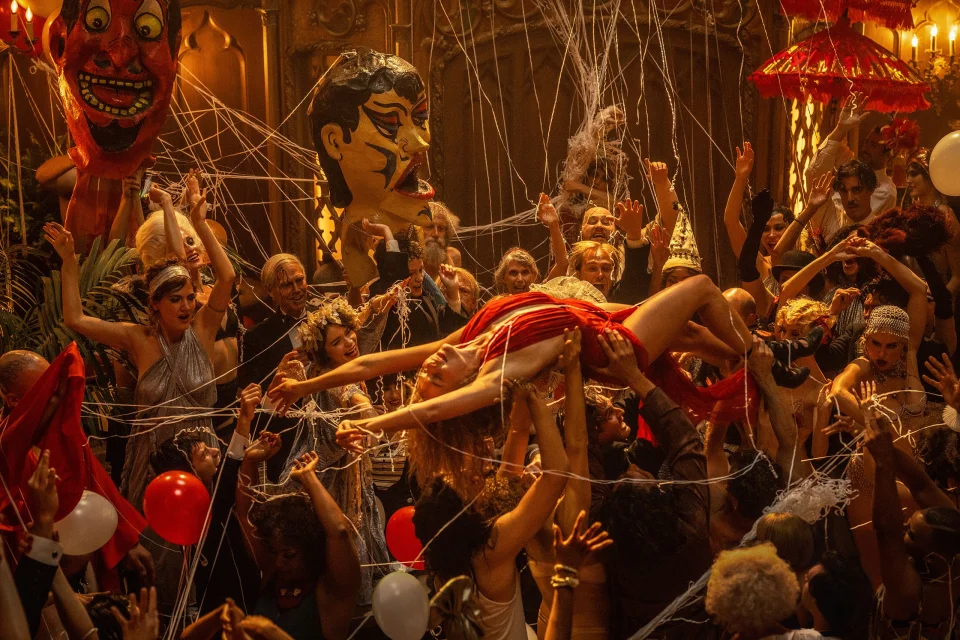
There’s an undeniable affection for the movie’s willingness to go completely overboard, with Damien Chazelle’s frantic direction, Justin Hurwitz’s Oscar-winning jazz score, and the elaborate choreography all receiving renewed appreciation. The movie has become something of an underdog for audiences who feel it was unfairly written off, and that reassessment has helped push Babylon firmly into cult-classic territory.
Margot Robbie’s Nellie LaRoy has become one of the biggest reasons audiences keep returning to Babylon. The aspiring actress is an unpredictable force of nature, completely convinced she’s destined for stardom and seemingly incapable of slowing down long enough to consider the consequences of her actions.
That larger-than-life personality has made Nellie a favorite subject for social media edits, particularly the explosive party sequences and her unforgettable declaration, “I’m a star!” Robbie’s performance lends itself perfectly to the kind of high-energy clips that circulate on TikTok and Instagram, often paired with everything from Taylor Swift tracks to modern phonk beats.
Nellie may be a walking disaster for much of the movie, but there’s something undeniably magnetic about watching her take over every room she enters.
The Hollywood Story Beneath All the Madness
Beneath all the champagne-soaked parties and Hollywood excess, Babylon has a much more sobering story to tell about an industry that never stops moving forward, even when it leaves some of its own people behind. One of the film’s most interesting themes is the transition from silent pictures to synchronized sound, a technological shift that completely changed Hollywood and abruptly ended the careers of performers who couldn’t make the adjustment.

There’s a particularly uncomfortable familiarity to that story today, as artificial intelligence continues to reshape the entertainment business and social media platforms constantly change the rules for creators trying to stay relevant. The technology may be different, but the fear of becoming obsolete hasn’t gone anywhere.
Chazelle’s depiction of Hollywood’s growing pains in the late 1920s feels surprisingly relevant to anyone trying to figure out where they fit in an industry that can change overnight.
For all the madness surrounding Nellie, one of the more heartbreaking parts of Babylon is her relationship with Manny Torres (Diego Calva). Beneath the wild parties and increasingly reckless behavior, Manny develops genuine feelings for Nellie, but the two are never quite on the same page about what they want from life.
His affection for her is painfully obvious, while Nellie’s pursuit of stardom repeatedly gets in the way of anything resembling a lasting relationship. Their story gives Babylon an emotional center that can get lost amid all the Hollywood debauchery, making their quieter interactions just as memorable as the movie’s most outrageous moments.
It’s a romance built around missed opportunities and the terrible price some people pay when their dreams become more important than the people standing beside them.
Streaming and Cinephiles Are Giving Babylon a Second Life
The future of Babylon is looking considerably brighter than its theatrical debut suggested. Damien Chazelle’s 189-minute Hollywood epic reportedly left Paramount facing a loss of roughly $90 million, but the movie has since found an audience that wasn’t quite there when it first hit theaters.

What began as one of the industry’s most expensive box-office disappointments is increasingly being discussed as one of the defining cult movies of the 2020s. It is following a familiar path for movies that arrive too far ahead of their time to find their audience immediately.
Streaming has played a major part in that turnaround. Asking moviegoers to commit to three hours of Babylon in a theater was a difficult proposition, particularly for a film that moves at such an aggressive pace and throws so much at the screen.
Watching at home is a different experience. Viewers can settle into its sprawling collection of characters. They can take in the historical details while approaching its excesses on their own terms. Its availability on major streaming platforms has given people another opportunity to discover the film. And that continued exposure can introduce it to audiences who might never have bought a ticket during its original theatrical run.
Letterboxd has also become an important part of the movie’s growing reputation. The film’s place in the platform’s One Million Club, alongside the steady stream of reviews and community lists, has helped make it a regular part of conversations among contemporary movie fans.
These aren’t simply people stumbling across an overlooked title. They’re watching it, discussing it, recommending it, and making a case for why its original reception shouldn’t be the final word. That kind of ongoing conversation can keep a movie circulating long after its theatrical release has ended.
There are some pretty impressive precedents for Babylon to follow. Ridley Scott’s Blade Runner, Stanley Kubrick’s The Shining, and Karyn Kusama’s Jennifer’s Body all experienced some form of rejection or indifference when they first arrived, only to find more appreciative audiences over time.
Their reputations grew as viewers revisited them and recognized qualities that hadn’t been fully appreciated at the time. Discussions about Babylon increasingly place it in that company, with its divisive reception becoming part of the story rather than something that defines the movie’s entire legacy.
Whether it ultimately reaches the same level of recognition remains to be seen, but the comparisons are becoming harder to ignore.
A Hollywood Spectacle That May Never Happen Again
There’s another reason Babylon may become even more interesting as the years pass: the scale of the production is increasingly difficult to imagine a major studio approving today.
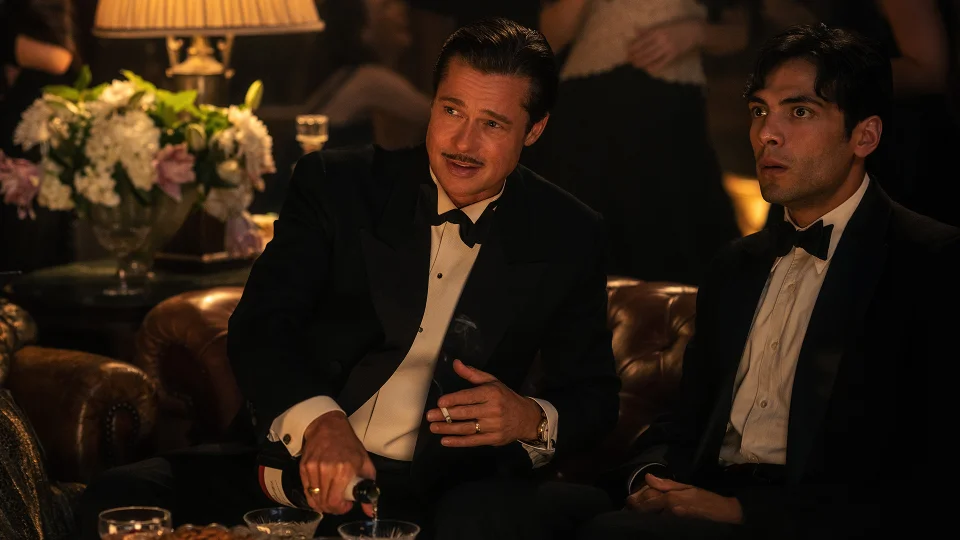
Made with a reported $80 million budget, the R-rated original film was allowed to run wild with enormous period sets, elaborate multi-city sequences, live jazz orchestras, and a willingness to spend money on material that wasn’t connected to an established franchise.
Hollywood has become increasingly dependent on recognizable intellectual property, making a production this excessive and unapologetically original feel like something from a different era.
Chazelle has acknowledged that the movie’s financial performance has affected his standing in the industry. In 2024, the filmmaker discussed how the failure of Babylon would make it difficult to receive that kind of studio financing again anytime soon.
It’s a frustrating consequence for a director who set out to make something so ambitious, but it also adds another layer to the movie’s legacy. The very scale that contributed to its enormous financial risk is now part of what makes it feel so unusual.
Those sprawling sets and oversized Hollywood spectacles may become even more impressive when audiences look back at what studios were willing to finance in the early 2020s.
Ultimately, Babylon‘s reputation is no longer entirely in the hands of Paramount or the traditional critics who gave it a mixed 57% score on Rotten Tomatoes. Margot Robbie has repeatedly defended the film and expressed confidence that it would find its audience over time.
The growing appreciation surrounding the movie suggests she may have been right. Cult classics are built through the people who keep watching them, talking about them, and convincing someone else to give them a chance. TikTok edits celebrating its characters, viral appreciation threads, and independent midnight screenings all help keep Babylon in circulation.
The film that once struggled to fill theaters now has a growing community willing to champion its particular brand of Hollywood madness.
Whether Babylon eventually earns the same lasting reputation as Blade Runner or The Shining is something only time can settle. But it has already achieved something its original box-office numbers couldn’t measure: people are still discovering it, arguing about it, and falling in love with it.
For a movie about an industry that never stops moving on to the next big thing, there’s something fitting about Babylon finding a second life with the audience it was waiting for all along.