

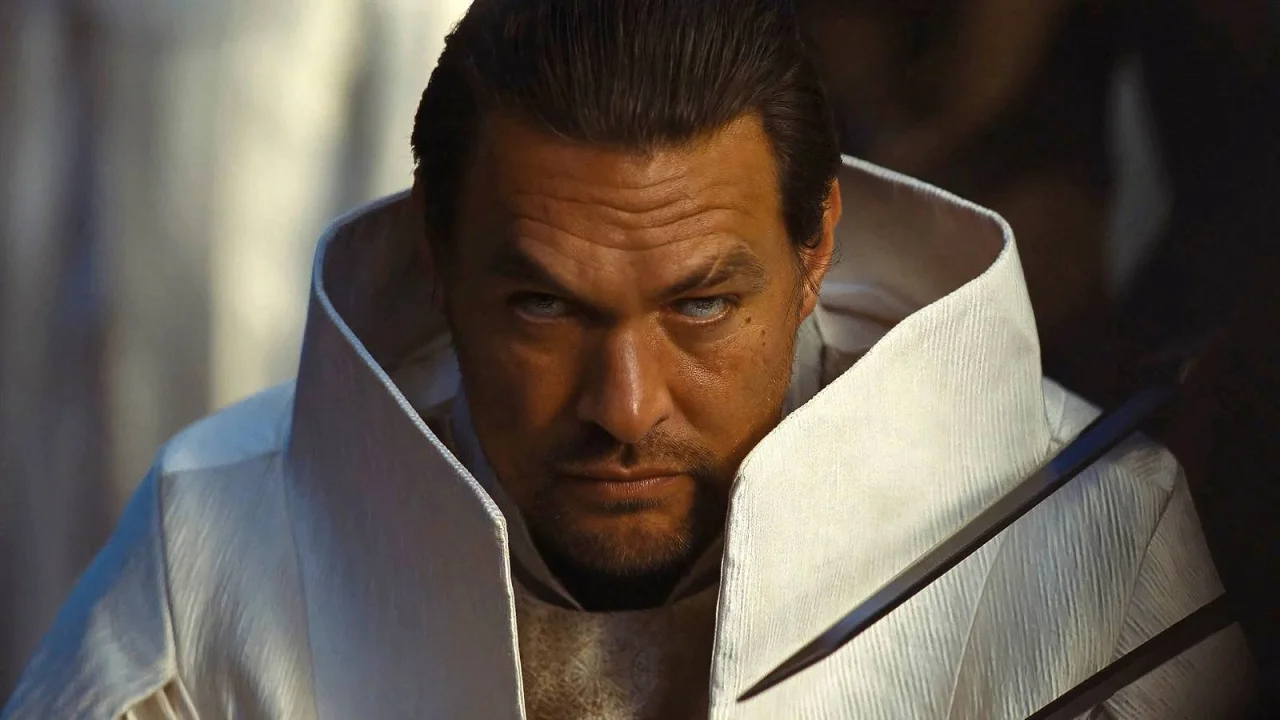
The spice must flow, but apparently it doesn’t need quite as much screen time this time around. Dune: Part Three is currently listed with a runtime of 2 hours and 31 minutes, making it the shortest entry in Denis Villeneuve’s trilogy.
After two movies that kept getting longer, the upcoming finale looks like it might be a more focused trip back to Arrakis. And considering which Frank Herbert novel it’s adapting, that could be exactly what the story needs.
The runtime reports have bounced around a little. AMC previously listed the film at 2 hours and 30 minutes, while the Irish Film Institute now lists it at 151 minutes. That’s a one-minute difference, but it’s worth remembering that Warner Bros. has not issued a final announcement confirming the finished movie’s runtime. Earlier placeholder listings also suggested a shorter 2-hour-and-20-minute version, so the number could still change before the December 18, 2026 theatrical release.
Even at 151 minutes, though, Dune: Part Three comes in below both of Villeneuve’s previous films. The 2021 Dune ran 2 hours and 35 minutes, while Dune: Part Two stretched to 2 hours and 46 minutes. Put those two movies together and you’re looking at 5 hours and 21 minutes of desert politics, giant sandworms, spice addiction, and increasingly complicated family problems. The third film would bring the trilogy’s total to just over seven hours and 50 minutes if its current listing holds.
That makes the new movie shorter than its predecessors, but it also puts the runtime into perspective when you consider the source material. Villeneuve’s first two films adapted Frank Herbert’s original Dune, splitting one enormous novel across two theatrical releases. Dune: Part Three, on the other hand, is based on Dune Messiah, the 1969 follow-up. It’s a considerably shorter book, with many editions listed at around 256 pages. That’s a much smaller literary assignment than the original novel, which gives Villeneuve a different set of challenges for the final chapter.
There’s also a pretty interesting comparison sitting in the history of Dune adaptations. David Lynch brought Herbert’s original novel to the screen in 1984 with a theatrical runtime of just 2 hours and 17 minutes. That’s 137 minutes to cover the story that Villeneuve eventually spread across two movies totaling 321 minutes. In other words, Lynch attempted to fit the entire first novel into a single feature that was shorter than either of Villeneuve’s installments.
Of course, those two approaches aren’t exactly interchangeable. Lynch’s Dune famously compresses a sprawling story into a much smaller package, and the result has its own complicated reputation. Villeneuve chose to give the original novel room to breathe, devoting more than five hours to its events. But the comparison does show just how much screen time filmmakers can devote to Herbert’s universe, depending on what they want to emphasize.
The difference with Dune: Part Three is that Villeneuve isn’t trying to squeeze the original novel into one movie. He’s moving on to a shorter sequel with a different story to tell. A 151-minute runtime is hardly a quick trip to the movies, but it does suggest the director isn’t automatically trying to make each installment longer than the last.
I’m perfectly happy with that. Big science fiction doesn’t need to keep adding minutes just because the previous movie was a monster. If Dune Messiah gives Villeneuve a tighter story to work with, a shorter finale could make the trilogy feel more complete rather than simply giving audiences another enormous cinematic endurance test.
After all, we already have plenty of sand to get through.