

While American movie fans are keeping an eye on Thanksgiving box office projections, a brutal Korean gambling thriller has already scored a major victory overseas. Tazza: The Song of Beelzebub, also known as Tazza 4, sold two million tickets in South Korea, becoming the only Korean film released in 2026 with a restricted 19+ rating to reach that milestone.
The fourth and final chapter of a franchise that began 20 years ago has now moved into its Korean home-entertainment window, but American audiences are still waiting for a way to watch it outside a theater.
Directed by Choi Kook-hee, the crime thriller stars Byun Yo-han as Jang Tae-young, a naturally lucky gambler whose successful online casino business is stolen from him by his closest friend, Park Tae-young (Roh Jae-won). The betrayal sends Jang into a dangerous world of organized crime and revenge. Jo Woo-jin, Yoon Kyung-ho, Ayaka Miyoshi and Tsuyoshi Ihara also star.
The film opened in South Korea on September 23 and reached 2,000,849 butts in seats by October 26, according to figures reported by SBS. It eventually passed 2.07 million individual viewers before beginning its Korean video-on-demand release on November 11.
The movie is the fourth feature in the Tazza franchise, but viewers don’t need to catch up on the previous installments before watching. The Song of Beelzebub adapts the final story from the original Tazza manhwa by Huh Young-man and Kim Se-yeong, telling a separate story with new characters. That makes it an easy entry point for anyone who enjoys crime thrillers where a high-stakes card game can end with someone losing far more than their money.
Two Best Friends Build a Casino Empire Before One Sells the Other Out
Jang Tae-young and Park Tae-young have been best friends since high school. They share the same given name, but their talents couldn’t be more different. Jang has an almost supernatural gift for gambling, with luck that seems to follow him wherever he goes. Park is the hard-working strategist, relying on intelligence and careful planning rather than fortune.
The two friends turn those strengths into a lucrative online cryptocurrency casino business. Their success eventually expands into luxury brick-and-mortar casinos, but the growing company also creates a problem neither man anticipated. Jang becomes the public face of their success, receiving the attention and admiration that Park believes should belong to him, too.
Park’s jealousy eventually turns into betrayal. During a business trip to Vietnam, he frames Jang for embezzlement and arranges for him to fall into the hands of dangerous criminals. Jang is left with nothing, while Park takes control of the business they built together.
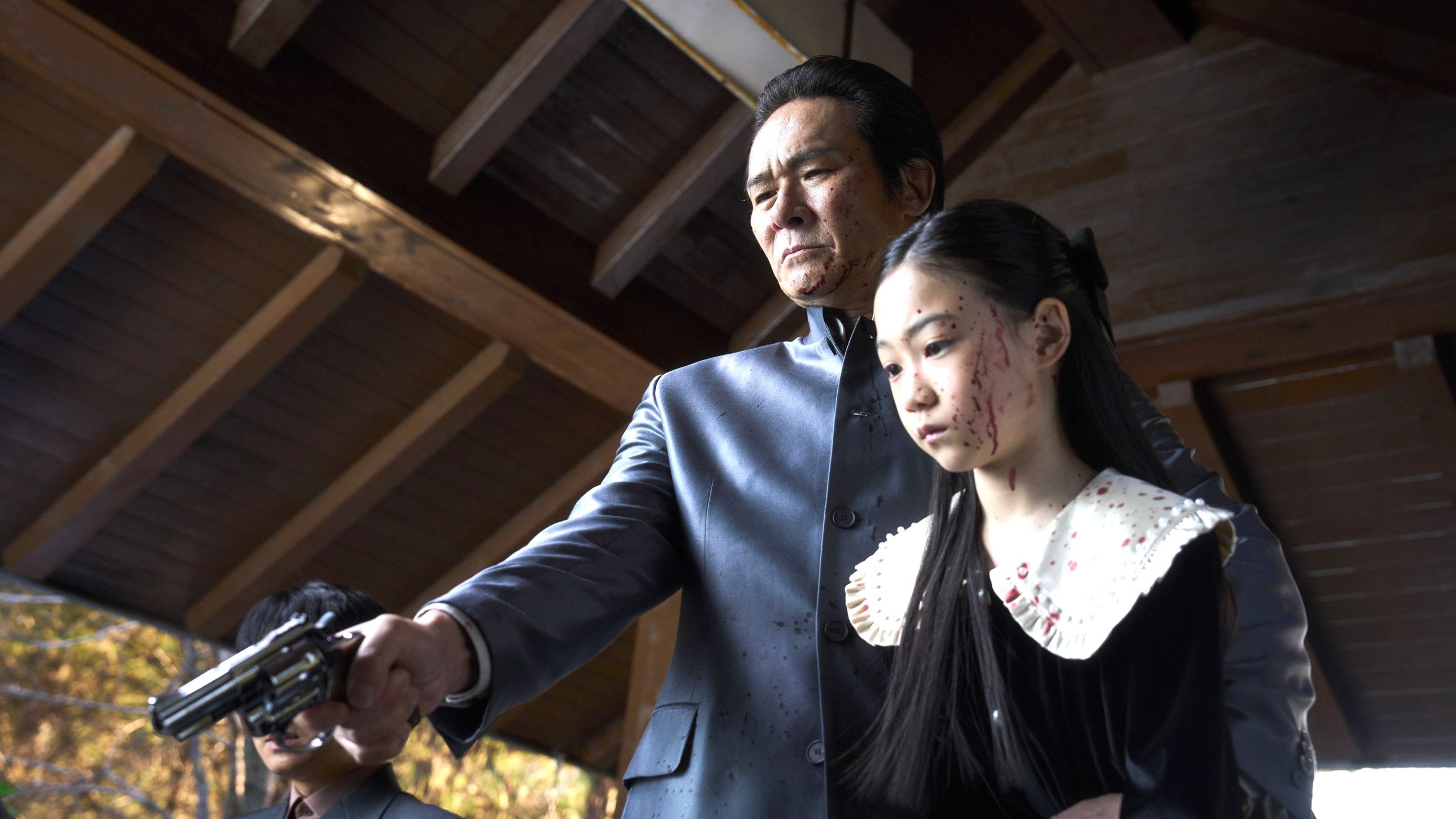
The people holding Jang include Jo Joong-hwan (Yoon Kyung-ho), a particularly nasty figure with an unusual way of deciding what happens to his captives. Jo gives his victims a coin toss: heads means he takes their liver, while tails means he takes their eyes. Jang’s coin lands on its edge, an extraordinary result that saves his life because Jo has to honor the rules of his own game.
Jo eventually takes Jang to meet his friend Kwak Dong-wook (Jo Woo-jin), a legendary retired gambler living in Vietnam. Jang recognizes that Kwak understands the psychology behind gambling far better than he does. He asks the older man to teach him, hoping to become skilled enough to return home and settle the score with Park.
Kwak doesn’t simply hand over his secrets. Jang has to learn how to read opponents, recognize when to fold and understand that winning a hand isn’t always about having the best cards. The lessons prepare him for a different kind of gambling career, one where patience and psychological warfare matter as much as luck.
Meanwhile, Park is busy enjoying his new position. He seeks a major investment from Chairman Sasaki (Tsuyoshi Ihara), a powerful Japanese yakuza figure with an interest in expanding into the casino business. Sasaki’s daughter and company director, Kaneko (Ayaka Miyoshi), has ambitions of her own. She resents her father’s control and sees an opportunity to advance her position within the organization.
Jang eventually finds a way to work with Kaneko, whose interests give him an opening into Park’s new empire. Their alliance sets the stage for a high-stakes international poker tournament where the former friends will finally face each other again.
The Ending Explained: Who Wins the Final Game?
Spoilers ahead for the ending of Tazza: The Song of Beelzebub.
The title The Song of Beelzebub draws on the film’s devil imagery and its central conflict between two men consumed by jealousy, ambition and the desire to win. The movie’s opening mythology connects playing cards with the devil, using Lucifer and Beelzebub as figures in a symbolic gambling contest. Jang and Park’s rivalry becomes its own version of that battle. One man has always appeared blessed by luck, while the other cannot stand living in his shadow.
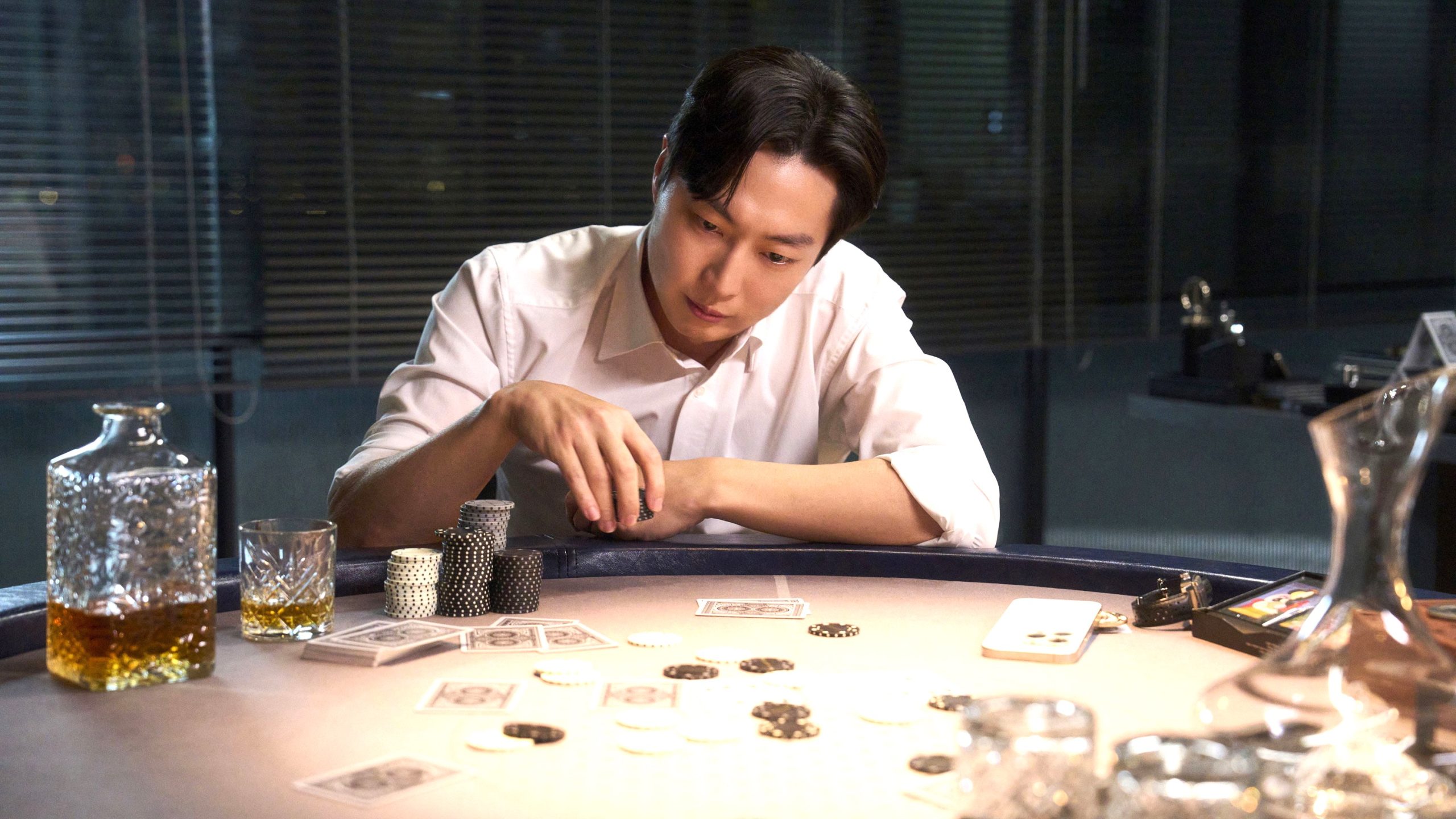
The film also makes a significant change to the gambling that defined earlier Tazza installments. Instead of centering the action on traditional Korean hwatu cards, the finale moves to Texas Hold’em. The international tournament brings together powerful gamblers and criminal interests, with Sasaki’s organization backing the event.
Jang’s training under Kwak becomes crucial when he finally sits across from Park. He has learned that the strongest player isn’t necessarily the one holding the best cards. Reading an opponent and knowing when to push a bluff can be just as important.
During the final showdown, Jang uses that lesson against his former friend. Park holds a strong hand, but Jang’s continued betting makes him believe his opponent has something even better. Park eventually folds rather than risk losing everything. The trick is that Jang doesn’t actually have the stronger hand. He wins the confrontation by making Park believe he does.
The result exposes just how much Park’s own insecurity has shaped his downfall. He has spent years trying to prove he is better than Jang, and that obsession makes him vulnerable to the very psychological game his former friend has learned to play.
Park’s defeat doesn’t simply end with him losing his money. He attempts to escape, but Jo Joong-hwan and others catch up with him. The film brings the story back around to the same cruel coin-toss game that nearly killed Jang in Vietnam. Jang has won his revenge, but the final sequence leaves the audience with another reminder that the gambling world he entered has its own brutal rules.
Why You Can’t Stream It in the U.S. Yet
American viewers have a frustratingly simple problem: Tazza: The Song of Beelzebub has already made its way to Korean digital platforms, but that release does not apply to the United States.

The movie opened in limited U.S. theaters on October 16 through Well Go USA Entertainment. Its official distributor listing identifies the film as Korean-language crime drama with English subtitles, a 129-minute runtime and an NR rating in the United States. The 19+ classification belongs to its South Korean release, where it was marketed as restricted-viewing adult entertainment.
In South Korea, the film began its home VOD release on November 11. Viewers there can find it through services including TVING, Coupang Play, Wavve, Google Play and Apple TV, along with Korean IPTV and digital cable providers. Those listings do not mean the movie is available through the American versions of those services.
As of November 21, Well Go USA has not announced a U.S. digital or subscription-streaming date. U.S. availability trackers also show no current rental, purchase or streaming options. That leaves American viewers with the limited theatrical release as the confirmed local route, rather than an Amazon Prime Video or Apple TV rental they can purchase from home.
There is a possible window to watch for, but it isn’t official. If the U.S. digital release follows a roughly 60-to-90-day period after the October 16 theatrical debut, a rental and purchase release could land between mid-December 2026 and mid-January 2027. Amazon Prime Video, Apple TV and Fandango at Home would be possible places to check for a digital rental or purchase, not confirmed destinations.
A subscription streaming debut would likely come later. Hi-YAH! and Netflix are possibilities worth watching, but neither service has announced a deal for the film. A window of roughly three to four months after the digital release would put a potential subscription debut in the spring of 2027, assuming the film follows that kind of release path.
For now, Tazza: The Song of Beelzebub is a Korean box-office success with a home release in its original market and no confirmed American streaming date. The good news for anyone who hasn’t seen the first three films is that this final chapter stands on its own. The bad news is that American fans may have to wait a little longer before they can join the game.