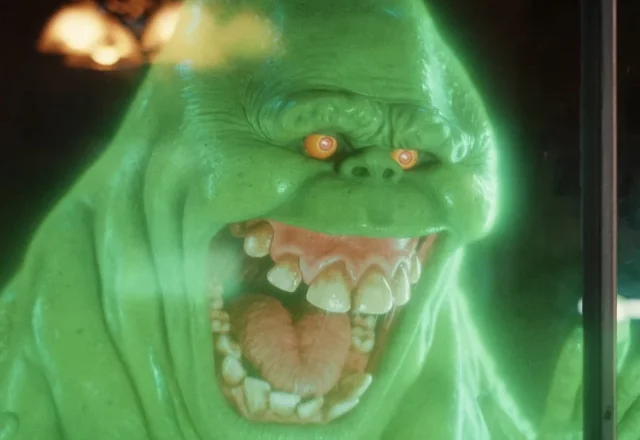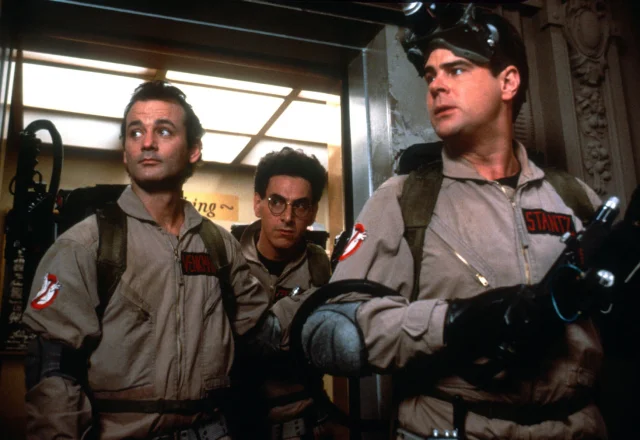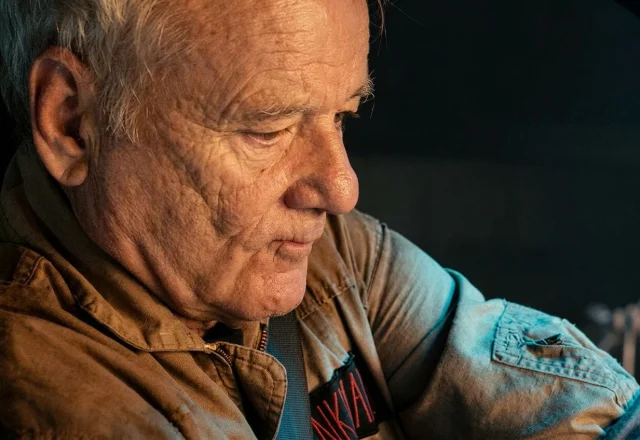
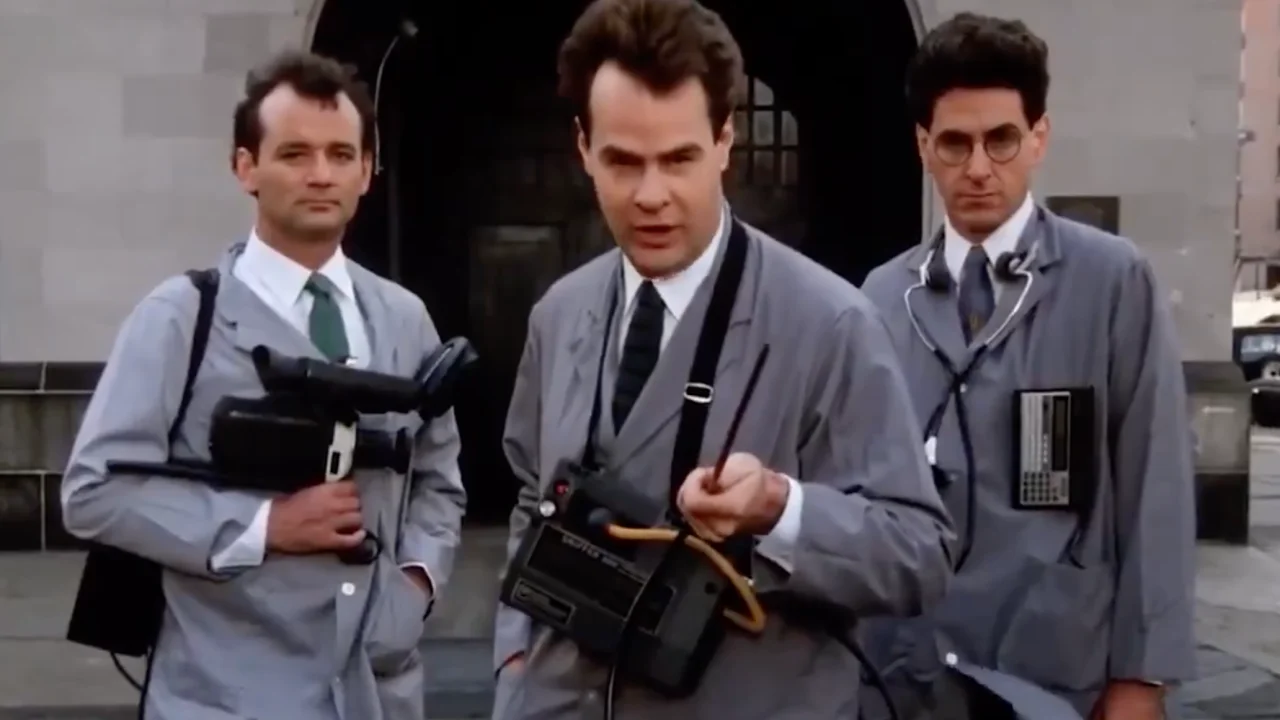
The title Ghostbusters may be one of the most recognizable names in movie history, but Dan Aykroyd says the 1984 comedy was already filming before its creators had secured the right to use it.
The actor and co-writer recently revisited the title dispute in a Halloween post, explaining how an old television sitcom nearly forced the production to settle for another name. He also pointed to a much older comedy starring Dean Martin and Jerry Lewis as an important part of the story.
“We started filming without owning the title and had to do alternates,” Aykroyd wrote.
The problem went back to The Ghost Busters, a live-action sitcom that aired in 1975. The series starred Forrest Tucker and Larry Storch, best known for F Troop, alongside Bob Burns as a gorilla named Kong. The trio played ghost exterminators, giving the show a premise that was close enough to the planned Columbia Pictures movie to create a title-rights problem.
Dan Aykroyd admitted he had never heard of the television series before the issue came up. As he explained, it didn’t have proton packs or Bill Murray, but it did have the name. Columbia ultimately paid $500,000 to secure the title, according to Aykroyd. Filmation founder Lou Scheimer later confirmed the $500,000 deal and said it also included a one-percent share of the films’ profits.
The title dispute meant the filmmakers had to consider alternatives while production was underway. Names including Ghost Smashers, Ghoststoppers and Ghostbreakers were among the possibilities. The crew even filmed alternate versions of certain scenes, leaving the production with the unusual possibility that the movie could have reached theaters under a very different name.
Aykroyd has another reason for believing someone else deserved credit for the title. In his Halloween post, he pointed to Scared Stiff, the 1953 comedy starring Dean Martin and Jerry Lewis. The film takes the pair into a haunted castle, where Lizabeth Scott asks them, “Who are you guys?” Martin replies, “You’ve heard of Trustbusters and Gangbusters, we’re Ghostbusters!”
Aykroyd said he first heard the term in that scene and joked that Columbia should have paid Martin for the name as well. The exchange is a fun piece of movie history, especially considering how closely the word would eventually become associated with Aykroyd’s own film. The scene also gave Aykroyd another reason to revisit Scared Stiff, as he singled out Lewis’ acrobatic descent down the castle staircase as a terrific piece of physical comedy.
The connection goes beyond one line of dialogue. Aykroyd explained that he watched every ghost comedy he could find while researching the original Ghostbusters. That included films featuring the Bowery Boys, Bob Hope and Bing Crosby, Abbott and Costello, and Martin and Lewis. Those earlier movies helped establish a long tradition of mixing supernatural stories with comedy, a tradition Aykroyd wanted to draw on when developing his own take on ghost-catching.
Of course, the title eventually found its way to the screen, and the rest is movie history. Ghostbusters opened on June 8, 1984, the same day as Joe Dante’s Gremlins. Both films arrived as major summer releases, with Ghostbusters taking the top spot at the box office during its opening weekend with approximately $13.6 million, just ahead of Gremlins and its $12.5 million debut.
The two movies went on to become major hits, but their afterlife has extended well beyond the summer of 1984. Ghostbusters and Gremlins have both become regular fixtures of Halloween-season movie watching, even though one is about a team of paranormal investigators and the other begins with a seemingly harmless Christmas gift. Their mix of comedy, monsters and supernatural mayhem has made them perennial choices for viewers looking for something a little different during October.
It’s hard to imagine Ghostbusters carrying the same cultural weight if the title had ended up being Ghost Smashers. Aykroyd’s story is a reminder that even the most familiar movie names can have complicated histories, and that the road to a classic can involve a forgotten sitcom, a rights negotiation and a joke delivered by Dean Martin more than 30 years earlier.