
I remember it like it happened yesterday. The year was 1982. I had my makeshift, cardboard tube Tron costume ready to go. My brother was dressed in his homemade, leather-stitched E.T. mask. Our plastic pumpkins primed. Bike reflectors taped to our knees. And my mom stopped us at the door to tell us Trick-or-Treating had been canceled. It was one of the biggest blows of my short life. What happened? And how come we were being stopped from knocking on stranger’s doors to collect a pillowcase full of 3 Musketeers?
Halloween in 1982 was supposed to be about roaming the neighborhood after dark scavenging for candy. Instead, a terrifying real-life murder case had parents worrying whether the treats their children brought home would thrill them or kill them. Some communities canceled trick-or-treating altogether. This holiday built around accepting popcorn balls from strangers was now a source of national anxiety. You should have seen my mom shivering with worry. She was like a humming bird trying to keep us satiated in front of the TV as a consolation prize.
The cause of all this panic? The so-called Chicago Tylenol murders. A still-unsolved crime that killed seven people in the fall of 1982. The victims had swallowed Extra-Strength Tylenol capsules laced with lethal doses of potassium cyanide. A toxic inorganic chemical compound that was extremely poisonous. Just a small amount could kill a dude.
The results made national headlines just as families were preparing for Halloween. The idea that an ordinary, over the counter headache killer could be turned into a deadly weapon sent shock waves all throughout the country. And directly into homes like mine.
For parents who’d spent years hearing stories about razor blades hidden in apples or poison slipped into Halloween sweets, the timing was horrifying. The Tylenol killer proved that they could tamper with products bought off store shelves. Although the murders had nothing to do with candy, the fear surrounding the case quickly spilled across the holiday and directly into our boo buckets.
The Halloween That Nearly Got Canceled
The panic was particularly intense around Chicago, where the murders had taken place and the person responsible remained at large. Chicago Mayor Jane Byrne helped coordinate the removal of Tylenol products from local stores, while public warnings urged residents to take the threat seriously. As Halloween approached, some officials and community groups began looking for ways to keep children safe, even if that meant changing their trick-or-treat plans.
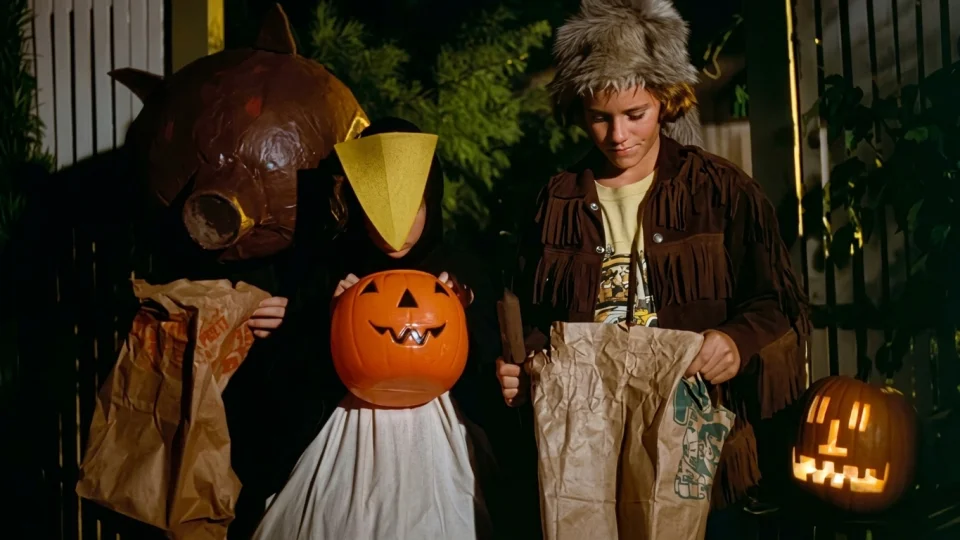
The mayor’s office distributed a million leaflets encouraging residents to hand out money or small toys instead of candy. In Poplar Hills, an Illinois subdivision, residents were encouraged to distribute coupons that children could exchange for candy at nearby stores. Other communities went further. Vineland, New Jersey, was among the places that canceled traditional trick-or-treating, while towns elsewhere in the country also called off festivities or advised families against going door-to-door.
The reaction extended beyond local government. Hospitals and other emergency facilities in some areas offered to X-ray children’s Halloween haul in response to fears about hidden needles and sharp objects. Parents inspected candy before allowing their kids to eat it. The familiar ritual of sorting through a garbage bag full of chocolate bars became an exercise in suspicion.
The economic fallout was real, too, although claims about the scale of the damage vary. A 1983 Washington Post report put candy manufacturers’ losses from Halloween 1982 at between 10 and 25 percent, depending on the region. The industry had reason to worry. Halloween was one of the biggest candy-selling occasions of the year, and the fear that treats could be dangerous threatened a tradition that depended on parents trusting what their children brought home.
The Poisoned Candy Story Was Older Than Tylenol
The 1982 scare did not invent the idea of dangerous Halloween candy. Stories about contaminated treats had circulated for decades, and reports of supposed Halloween sadism became more prominent in the late 1960s and early 1970s. Newspapers published warnings about razor blades in apples and other alleged attempts to harm children, helping turn the threat into a recurring part of Halloween folklore.
The Tylenol murders gave those stories a frightening new context. If someone could secretly poison medicine sold in ordinary shops, parents reasoned, what was stopping a stranger from doing the same thing to candy? The connection felt plausible at the time, even though the two situations were very different.
There had also been a real and particularly disturbing Halloween candy murder before the Tylenol crisis. In 1974, eight-year-old Timothy O’Bryan died after eating a cyanide-laced Pixy Stix. His father, Ronald Clark O’Bryan, was convicted of the murder and later executed. The crime was not the work of a random stranger targeting trick-or-treaters. O’Bryan had poisoned his own son as part of a scheme to collect life insurance money, attempting to make the death look like the work of a stranger.
That distinction matters because the public’s fear centered on the possibility that an unknown person might randomly poison children through Halloween candy. The O’Bryan case was real, but it did not establish that strangers were routinely tampering with treats.
How Dangerous Was Halloween Candy, Really?
Sociologist Joel Best has spent decades examining reports of Halloween candy tampering, tracing claims of so-called Halloween sadism back to 1958. His research found no substantiated case of a child being killed or seriously injured by a random stranger who poisoned or contaminated candy collected while trick-or-treating. Many reported incidents turned out to be hoaxes or pranks, while some childhood deaths blamed on Halloween treats had unrelated medical causes.
That doesn’t mean every report of tampering was invented, or that deliberately poisoned candy has never been involved in a crime. The O’Bryan case is a grim example of precisely that. But the enduring image of strangers roaming neighborhoods with poisoned candy has never matched the evidence behind the widespread fear.
The Tylenol murders were different. Seven people really had died after taking contaminated medication, and the killer was never identified. The danger was real. The resulting panic was understandable if not justified. Parents had reason to worry. What followed was a public leap from a proven case of product tampering to a largely unsupported belief that Halloween candy was likely to be sabotaged.
The Changes That Outlasted the Panic
The Tylenol murders permanently changed how Americans think about product safety. Before the crisis, many over-the-counter medicines lacked the tamper-evident seals that consumers now expect. Johnson & Johnson recalled approximately 31 million bottles of Tylenol and later returned the product to stores with multiple protective seals. Other manufacturers followed suit.
The federal government responded, too. Congress passed the Federal Anti-Tampering Act in 1983, making product tampering a federal crime. In 1989, the Food and Drug Administration established requirements for tamper-evident packaging on over-the-counter medications. The familiar seals that show whether a medicine bottle has been opened became a lasting part of the industry’s response to the tragedy.
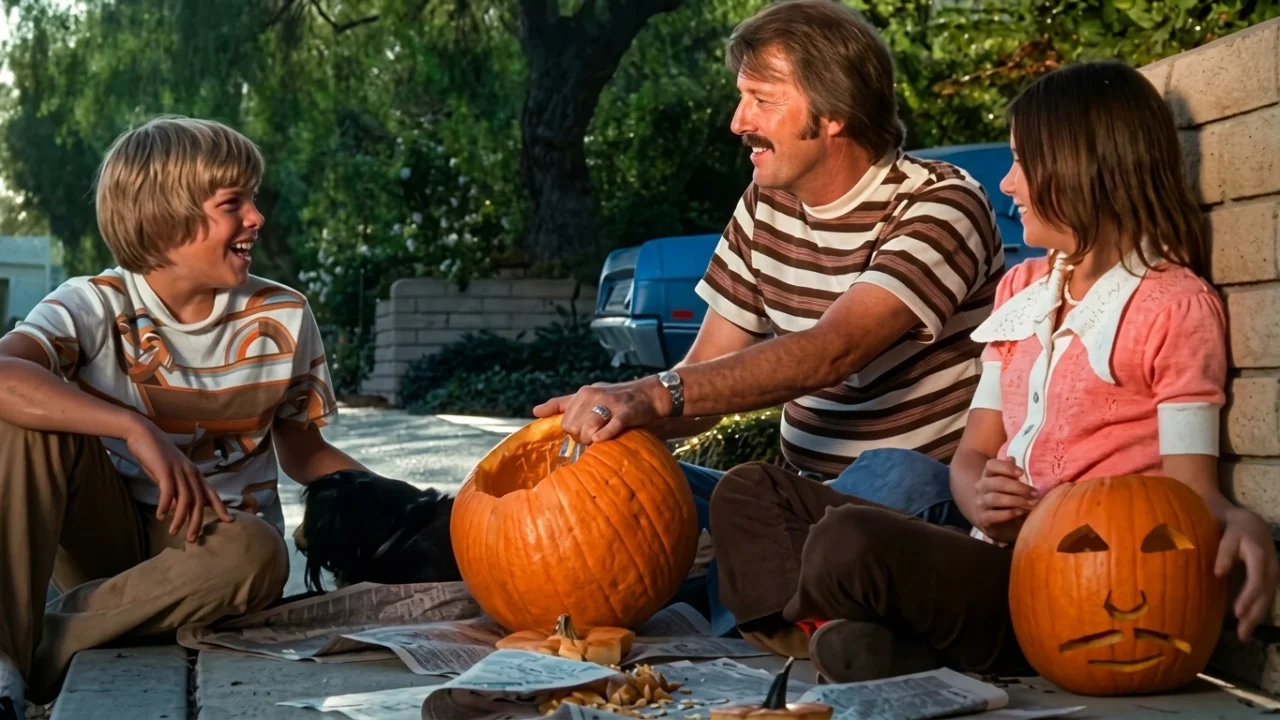
Halloween also came out of the scare with a new layer of parental caution. Checking candy became a familiar ritual, and factory-sealed treats increasingly felt more reassuring than homemade goodies from neighbors. The change was gradual, however, and the evidence doesn’t support the idea that homemade Halloween treats disappeared overnight or that the 1982 panic alone created today’s supervised Halloween events. I remember getting popcorn balls in the ’90s, when we went trick or treating in college.
Halloween survived for the most part. But we never went trick-or-treating again until I was an adult. The fun was over and dressing up was ruined. Maybe that’s why I’m not as quick to jump on the Halloween horror train as my friends.
Other children kept dressing up and knocking on doors. Candy companies worked hard to restore confidence in the holiday. But for those who remember, the 1982 scare did leave a lasting mark on the way parents approached the holiday.
The real tragedy of all this is that seven people were murdered. The additional tragedy was how that horror helped make millions of parents afraid of a Halloween tradition that, despite decades of alarming stories, was far less dangerous than the rumors suggested.
My mom believed in all of it. She worried we were gonna swallow some tainted Circus Peanuts. For me, Halloween was never the same. And you know what, I’m ok with that.