
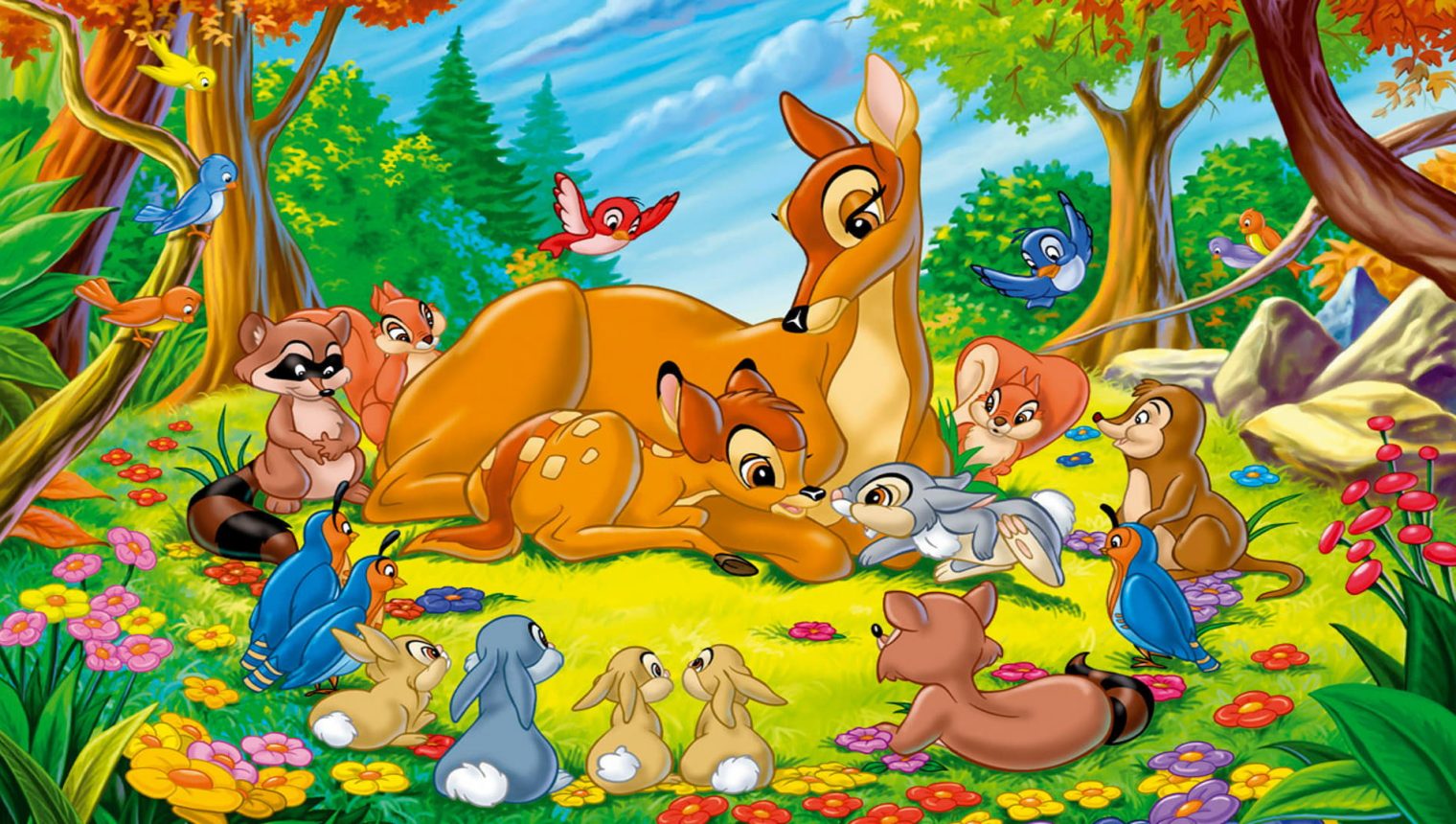
Bambi’s mother might not be the first character who comes to mind when someone mentions Disney princesses, but there’s an interesting question hiding in the forest: Is she technically one?
She’s the mother of a prince, and her story is connected to the Great Prince of the Forest. Yet you won’t find her standing alongside Cinderella, Tiana, Ariel, Snow White, or Moana on Disney’s official Princess lineup.
The short answer is no.
Bambi’s mother is not an official Disney Princess, even if her connection to the forest’s royal family makes the question worth asking. The distinction comes down to what Disney means when it uses the term Disney Princess. It’s more than a description of a character’s royal connections. It’s also the name of a specific entertainment and merchandise franchise.
In Bambi, the young deer is identified as the Prince of the Forest. His father is the Great Prince, the oldest and wisest deer in the forest. Bambi’s mother raises him and guides him through the dangers of the woods. But the movie doesn’t give her a royal title of her own. She is known simply as Bambi’s mother.
That doesn’t mean she has no connection to the forest’s ruling family. The Great Prince is Bambi’s father, and Bambi’s mother is part of his family. But Disney never identifies her as a princess or queen in the film. Even if viewers want to make a case for her status by association, that doesn’t automatically make her part of the official Disney Princess brand.
What Are the Rules to Become a Disney Princess?
Disney has never published a formal rulebook explaining exactly how a character earns a place in the official lineup. There are, however, some recognizable patterns. The characters are generally the central heroines of animated feature films, and most have royal connections through birth, marriage, or their families. Mulan is a notable exception, earning her place through heroism rather than a royal title.
Being an actual princess isn’t enough on its own. Nala and Kiara from The Lion King have royal connections, and Kiara is born into the ruling family of the Pride Lands. Neither is part of the official Disney Princess franchise. Their animal forms are an obvious difference from the human and human-like characters Disney includes in the lineup.
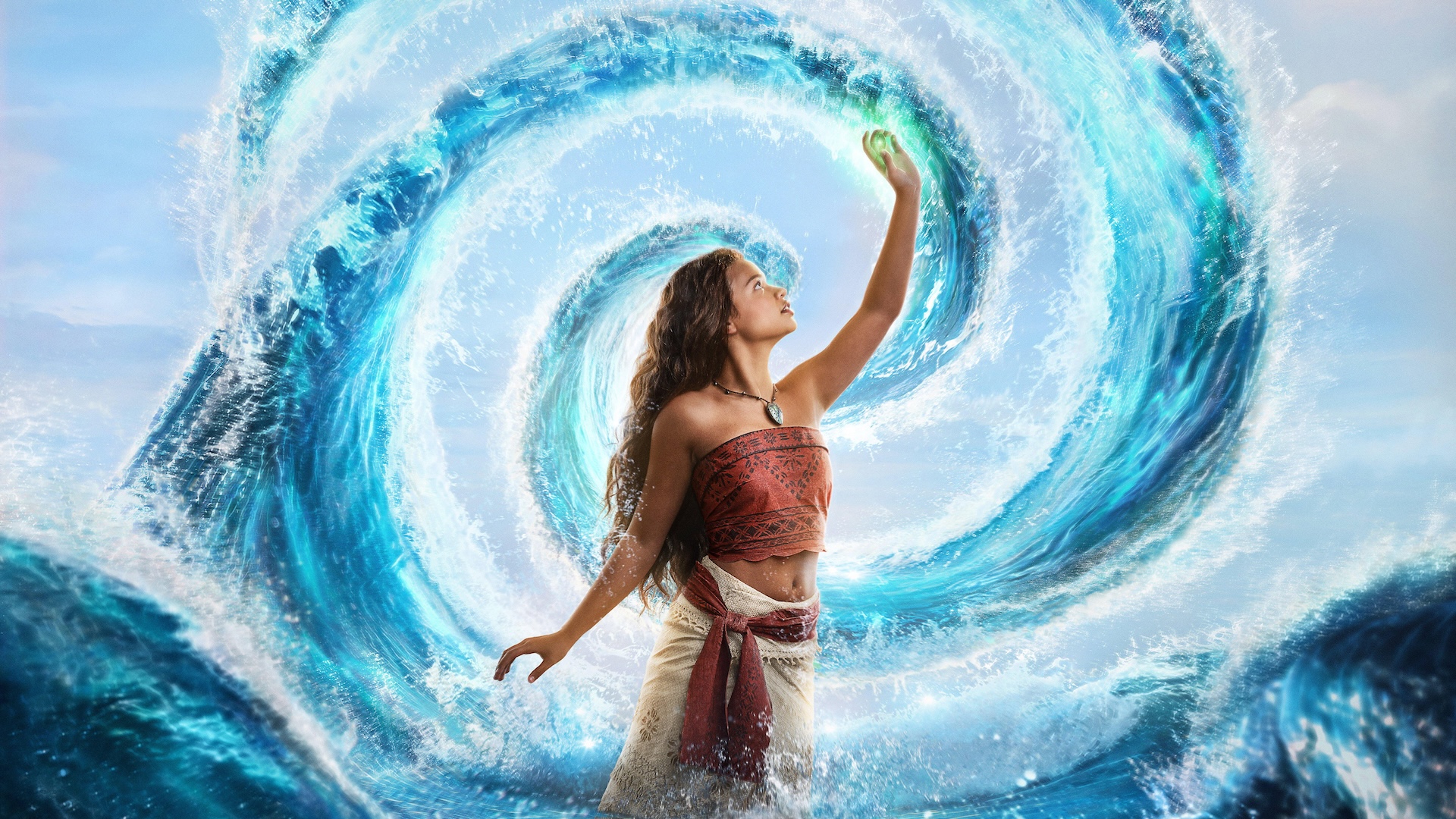
The current official roster has 13 members: Snow White, Cinderella, Aurora, Ariel, Belle, Jasmine, Pocahontas, Mulan, Tiana, Rapunzel, Merida, Moana, and Raya. Some were born into royal families, while others married into them or earned recognition through their actions. Pocahontas and Moana are also included despite not being traditional European-style princesses.
There are plenty of other Disney characters who could make a case for inclusion. Frozen‘s Anna and Elsa are actual royalty, with Elsa becoming Queen of Arendelle before Anna takes the throne. Kida from Atlantis: The Lost Empire is a princess who becomes queen, while Vanellope von Schweetz is revealed to be the rightful princess of Sugar Rush in Wreck-It Ralph. None of them currently belongs to the official 13-character lineup.
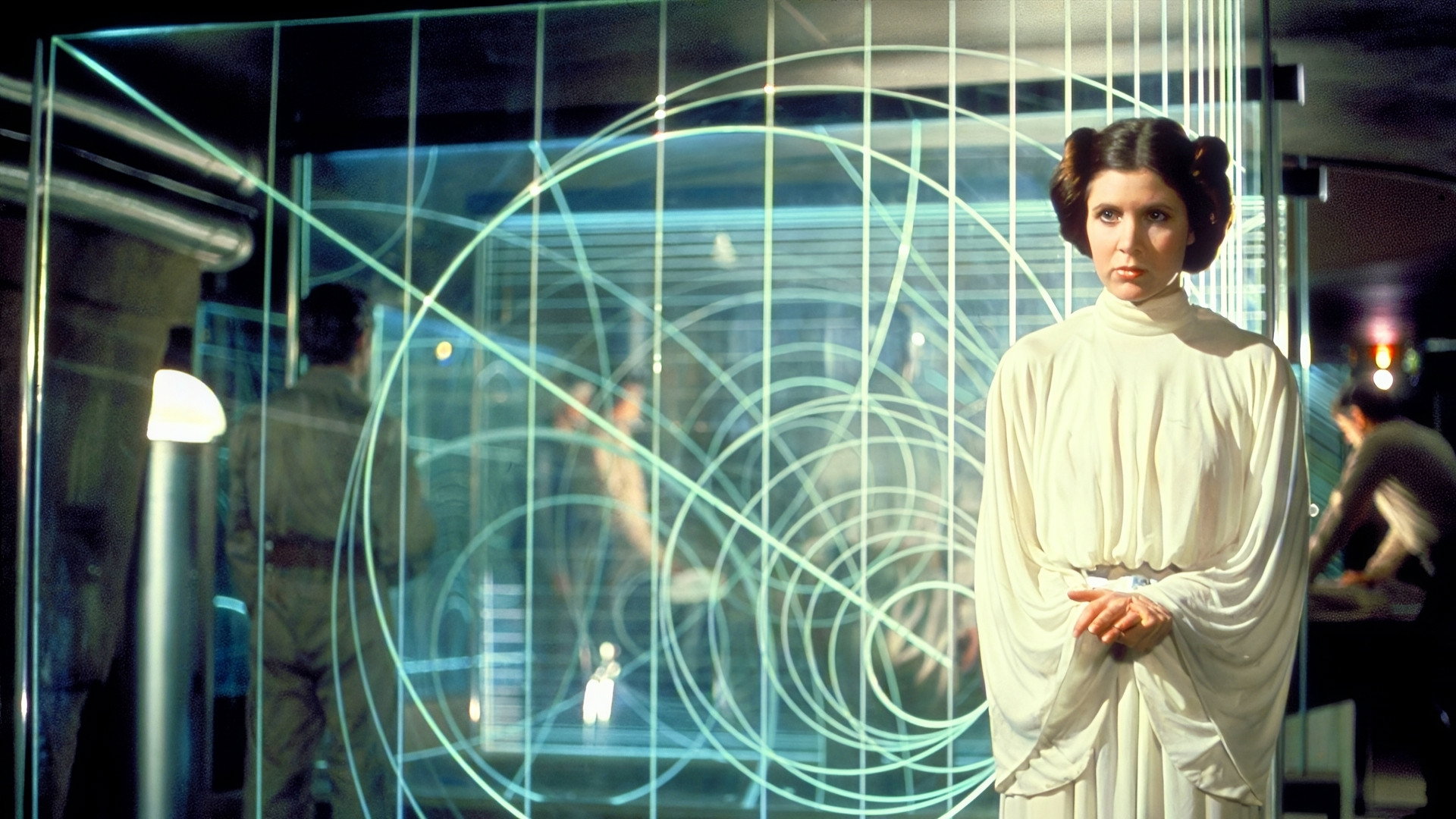
The franchise is a curated brand, not a master list of every Disney character with a crown or royal bloodline. That distinction also explains why characters from television series and live-action movies aren’t automatically included. Sofia from Sofia the First and Leia Organa from Star Wars may have royal titles, but they belong to very different corners of Disney’s entertainment business.
How Disney Created Its Princess Franchise
The Disney Princess brand didn’t begin as a collection of characters who had all been officially crowned in their respective movies. It was created as a marketing concept around 2000, when former Nike executive Andy Mooney took charge of Disney Consumer Products.
The familiar origin story involves Mooney attending a Disney on Ice show and noticing young girls wearing homemade princess costumes. Disney wasn’t selling a unified range of princess merchandise, despite having decades of popular animated heroines. Mooney saw an opportunity to bring those characters together under one brand rather than marketing each one separately.
The idea worked. Disney reported that its eight original Princess characters generated $300 million in merchandise sales in 2000. By 2005, the company said the franchise had reached $3 billion in worldwide consumer-product retail sales. The Princess name had become a major business in its own right.
There was even a distinctive design approach when the characters appeared together. The princesses were traditionally shown looking in different directions rather than making eye contact with one another. The idea was to preserve the feeling that each character belonged to her own story and wasn’t aware of the others. That convention eventually got a playful send-up in Ralph Breaks the Internet, when the princesses finally spent time together.
As for Bambi’s mother, she doesn’t need a tiara to be one of Disney’s most recognizable mothers. But if the question is whether she belongs to the official Disney Princess lineup, the answer is no. The Great Prince may be raising a future ruler of the forest, but Disney hasn’t handed his mother a spot in the royal merchandise department.