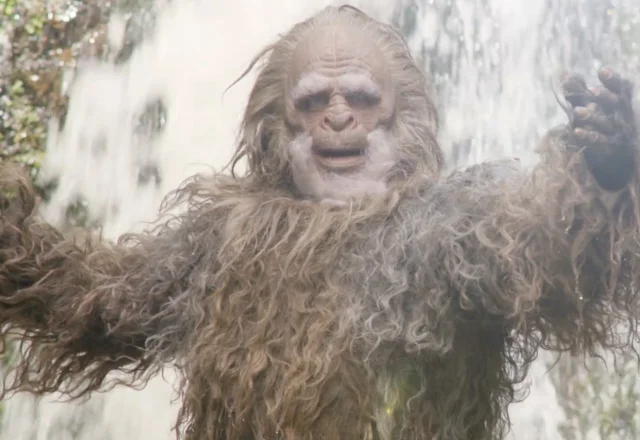
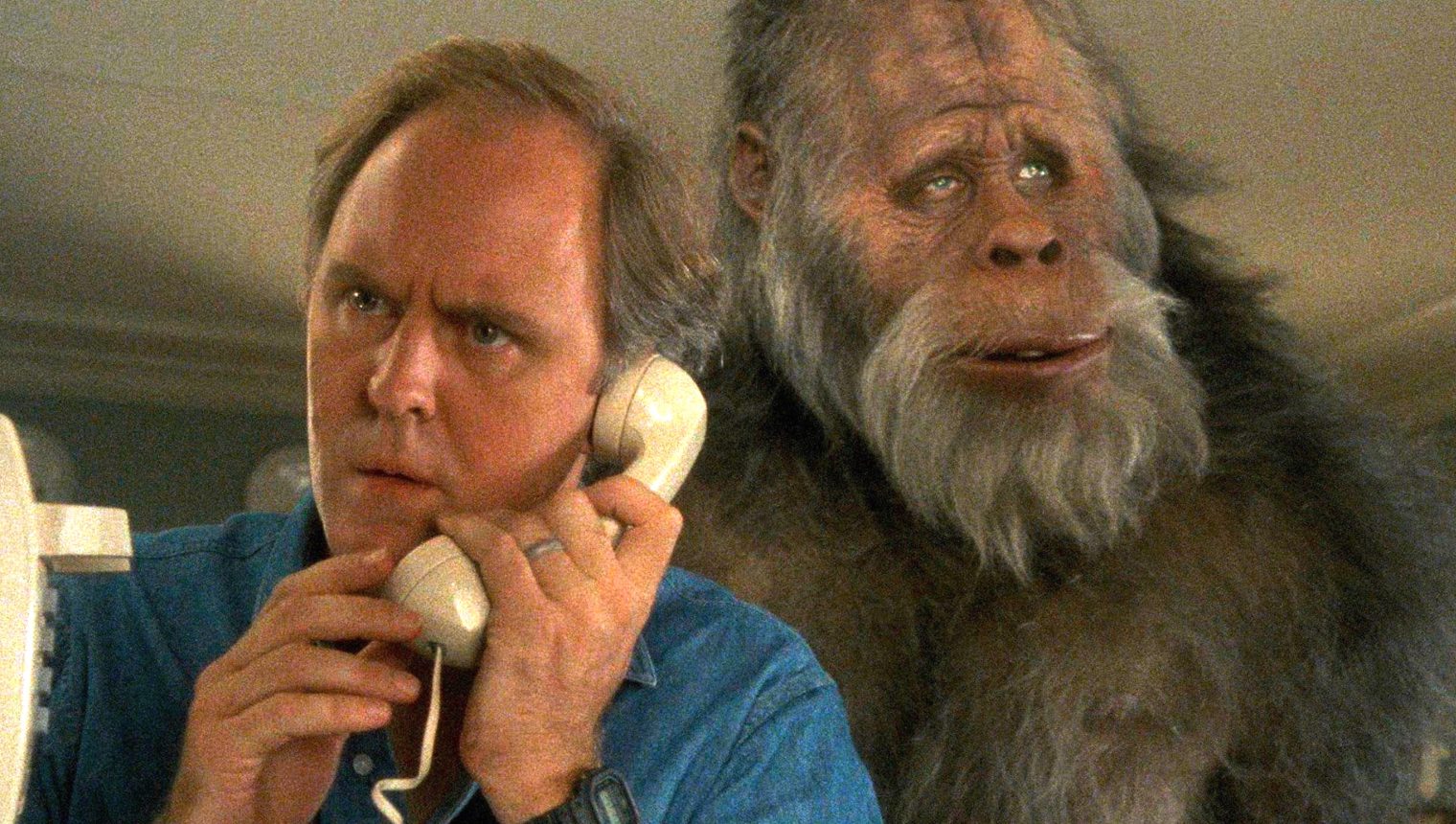
The U.S. Forest Service has made three historical Bigfoot records available to the public, including a 1982 investigation into enormous footprints found in the Pacific Northwest.
The documents don’t prove Sasquatch is roaming the woods, but the details recorded by a government biologist are strange enough to make the old mystery worth another look. You can check out one of the official reports from the Department of Agriculture here.
The records appeared in the Forest Service’s online Freedom of Information Act reading room on October 15 under the heading “Bigfoot/Sasquatch Records.” The release includes an investigation from the Mill Creek Watershed in the Umatilla National Forest, a written account of a reported encounter in Montana during the 1940s, and a newspaper clipping about unusual tracks discovered in the state in 2003.
The most fascinating document is a six-page report written by USDA wildlife biologist Rodney L. Johnson following an investigation in June 1982. The inquiry began after part-time forest patrolman Paul Freeman reported seeing something he believed was Bigfoot. He later found enormous footprints in the area and brought them to the attention of his superiors.
Johnson examined tracks at three muddy sites. Some measured approximately 15 inches long and 7 inches wide, with the trail extending 25 to 40 feet across uneven ground. The tracks appeared to continue toward thick brush, where Johnson noted signs of vegetation being disturbed another 30 to 40 feet. One print even had a noticeable deformation around the second toe.
Investigators photographed the footprints and made plaster casts to preserve the impressions. Johnson was particularly struck by the detail in the prints, writing that if someone had fabricated them, “someone went to a great deal of trouble and detail.” He also noted that some of the markings would be difficult to duplicate and appeared natural.
That observation makes his final conclusion all the more interesting. Despite acknowledging how convincing certain details looked, Johnson did not believe the tracks belonged to a giant, two-legged creature.
“It is my opinion that the tracks observed at site ‘A’ and site ‘B’ along Low Creek were made by something other than a 300-pound-plus, two-footed being,” he wrote.
Johnson outlined several reasons for his doubts. The stride remained roughly the same length even as the trail climbed and descended, something he questioned given the changing terrain. His own boots sank deeper into the mud than the alleged Bigfoot prints, and he noticed forest litter that appeared to have been brushed aside before the impressions were made.
A U.S. Border Patrol tracker named Joel Hardin was even more convinced that someone had manufactured the evidence. In a separate memo dated July 28, 1982, Hardin described the tracks as “a very clever attempt” at a hoax. He suspected someone had used a foot covered in soft plaster or rubber, possibly in an effort to make the Forest Service appear to be investigating genuine Bigfoot evidence.
Not everyone who examined the footprints agreed with that assessment. Anthropologist Grover Krantz, who studied the plaster casts, argued that the prints were authentic because he believed their dermal ridge details would have been extremely difficult to fake. The government records therefore preserve a disagreement over the same physical evidence, rather than a definitive answer about what made the tracks.
The other historical documents take the mystery to Montana. One is a six-page account written in 1980 by Leo T. Kinney, who recalled a hunting trip in the 1940s near Petty Creek. Kinney described a group finding large tracks near an elk carcass that had been stripped down to its entrails. The hunters followed the trail for a distance before deciding they weren’t particularly interested in catching up with whatever had left it.
Kinney also recalled hearing about another encounter in the area involving a strong odor and a grunting noise. The hunters involved later admitted they had experienced an uneasy feeling and chills while investigating the strange activity.
The final file is a newspaper clipping from the Clark Fork Valley Press about unusual footprints discovered near River Road West in Sanders County, Montana, in 2003. The tracks appeared after snowfall and were found by a local family and their neighbors. One print reportedly measured 16½ inches long and 8½ inches wide. An eight-year-old boy first noticed the impressions, and a neighbor named Bob Mesing followed them into the woods for nearly two hours before they faded from view. Nobody reported seeing an animal.
The Forest Service has also shown a willingness to discuss Bigfoot folklore outside its archives. On October 8, staff at California’s Stanislaus National Forest hosted a public event called “Bigfoot in Your Backyard.” The forum included discussion of local reports and sightings, with the agency making its position clear: it could neither confirm nor deny the creature’s existence.
The Forest Service has described Bigfoot stories as part of the cultural heritage and folklore surrounding public lands. A spokesperson told The Washington Post that the USDA considers whether records may be of interest to the media, researchers, historians, businesses or the general public when deciding what to make available online. The agency has not said the October document posting was part of a special effort ordered by the Trump administration.
Bigfoot enthusiasts have taken notice. Jeremiah Byron, host of the Bigfoot Society podcast, told The Washington Post that he hopes the release signals that government agencies may be willing to share more information about reported encounters.
For now, the files offer a fascinating look at how federal investigators approached reports of Sasquatch decades ago. They contain photographs, physical measurements and competing assessments of footprints that have never been conclusively explained. What they don’t contain is proof that Bigfoot exists. Scientists still point to the lack of credible physical evidence for the creature, despite generations of reported sightings.
The government has finally put some of its Bigfoot paperwork out in the open. Whether any of it changes your mind about Sasquatch is another matter. For the time being, you can go hunt Bigfoot in GTA 6 right now.